MAY AHN

SELLING YOUR HOME THE RIGHT WAY

Tag: downsizing

  • How to Transition from a Large Home to a Simpler Lifestyle

    If you’ve been living in a large home for years—maybe where you raised your kids or hosted countless holidays—it’s normal to feel a mix of emotions about moving on.

    But as life changes, so do our needs. And sometimes, a simpler lifestyle just makes sense.

    Whether you’re becoming an empty-nester, preparing for retirement, or managing an inherited home, downsizing doesn’t have to feel like giving up.

    It’s actually a chance to move forward—intentionally.

    Here’s how to make the transition smoother and more rewarding:

    1. Start With Your “Why”

    Before you even think about packing boxes, get clear on your reasons for downsizing.

    • Are you looking for less maintenance?
    • Want to free up equity for travel, family, or retirement?
    • Tired of unused rooms and rising utility costs?

    Ready to move closer to the grandkids or into a walkable neighborhood?

    Knowing your “why” helps you make better decisions about what comes next—and gives the process more purpose.

    2. Declutter with a Vision

    You don’t need to keep everything. But you do need to keep what matters.

    Start room by room and ask yourself:

    “Will this fit my new life?”

    Keep what’s meaningful and useful.

    Let go of duplicates, oversized furniture, and items that haven’t been touched in years.

    For heirlooms and keepsakes, consider gifting them now to family—it’s a beautiful way to pass along memories.

    3. Understand Your Home’s Value

    If it’s been 5, 10, or even 20 years since you last thought about selling, you might be surprised at what your home is worth.

    The Pasadena, San Marino, and South Pasadena markets are strong, especially for single-family homes and income properties.

    Even homes that need updating are in demand, especially for investors or young families looking to personalize a space.

    Curious what your home could sell for in today’s market?

    Let’s schedule a complimentary consultation.

    4. Think About What’s Next

    Many of my clients aren’t just selling—they’re right-sizing.

    • Maybe it’s a lock-and-leave condo in South Pasadena.
    • A one-story home with a little yard and no stairs.
    • Or even a cozy townhome close to shops, friends, and community.

    A simpler home doesn’t mean sacrificing comfort or beauty.

    In fact, many of my clients tell me they feel relief once they’ve settled into a place that truly fits their lifestyle today.

    5. Lean on the Right Realtor

    Selling a longtime home can be emotional and overwhelming. I get it.

    That’s why I walk my clients through every step—from preparing the home for sale, to pricing and marketing, to finding their next place.

    I’ve helped families all across the San Gabriel Valley make this transition,

    especially in trust and probate situations, and I bring a personal, thoughtful approach to every move.

    Ready for a Fresh Start?

    If you’ve been thinking about downsizing but don’t know where to begin, you’re not alone.

    Let’s chat about your timeline, your goals, and what this next chapter could look like.

    📞 Call or text me at 626-329-6999
    💻 Or email may.ahn@sothebys.realty

    You don’t have to do this alone—and you might be surprised by how freeing this next move can be.

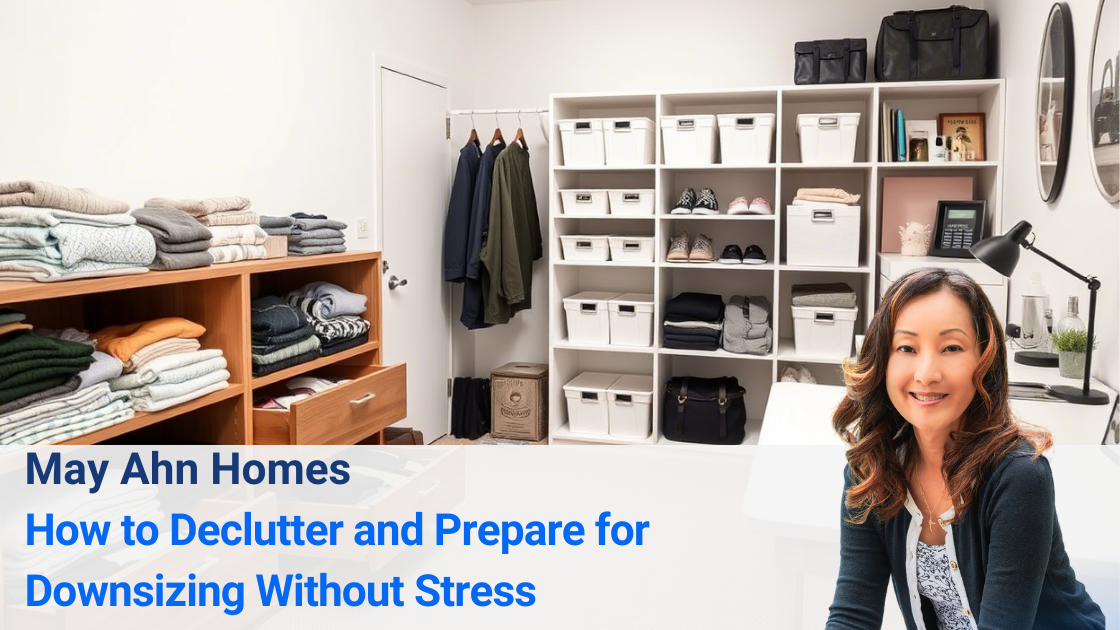
  • How to Declutter and Prepare for Downsizing Without Stress

    Are you considering downsizing but feeling overwhelmed by the thought of sorting through years of belongings?

    Whether you’re moving to a smaller home, transitioning into retirement, or simply looking to simplify your lifestyle, downsizing doesn’t have to be stressful.

    With the right approach, you can declutter and prepare for your move smoothly and efficiently.

    1. Start Early and Set a Timeline

    One of the biggest mistakes people make when downsizing is waiting until the last minute.

    Give yourself at least a few months to go through your home so you’re not rushing through important decisions.

    Break the process into manageable steps, such as:

    • Week 1-2: Start with non-sentimental items like kitchenware, clothing, and extra furniture.
    • Week 3-4: Sort through sentimental items and family heirlooms.
    • Week 5-6: Sell, donate, or dispose of unwanted items.

    By pacing yourself, you’ll avoid burnout and make more thoughtful decisions about what to keep.

    2. Sort Your Belongings Into Categories

    A great way to make decluttering easier is to divide your items into four categories:

    • Keep – Items you use regularly or have significant sentimental value.
    • Sell – Valuable items you no longer need but could benefit someone else. Consider hosting an estate sale or selling online.
    • Donate – Things in good condition that could help others, such as clothes, furniture, or kitchenware.
    • Discard – Broken or unusable items that need to be recycled or thrown away.

    If you’re unsure about an item, ask yourself: “Have I used this in the past year?” If the answer is no, it’s probably time to let it go.

    3. Prioritize What Fits Your New Lifestyle

    When moving to a smaller home, space is limited. Think about your new lifestyle and what you’ll realistically need.

    If you’re transitioning to a low-maintenance home or retirement community, bulky furniture, excessive kitchen gadgets, and seasonal decorations may no longer be necessary.

    Consider multi-functional furniture like storage ottomans or foldable tables to maximize space.

    Also, focus on quality over quantity—keeping fewer, high-quality items will make your new home feel less cluttered.

    4. Preserve Memories Without Holding Onto Clutter

    Letting go of sentimental items can be the hardest part of downsizing. If you’re struggling, consider these alternatives:

    • Digitize old photos and documents to keep them safe without taking up physical space.
    • Pass down heirlooms to family members who will appreciate them.
    • Create a memory box with a few special keepsakes instead of holding onto everything.

    The goal is to keep meaningful memories while reducing unnecessary clutter.

    5. Get Professional Help When Needed

    If you’re feeling overwhelmed, don’t hesitate to seek help.

    Professional organizers, estate sale companies, and real estate agents like me can make the downsizing process much smoother.

    A good real estate agent can also help you find a new home that meets your needs and guide you through the selling process.

    6. Plan for a Smooth Transition

    Once you’ve decluttered, focus on making your move as seamless as possible:

    • Measure your new space to ensure your furniture fits before moving.
    • Pack essentials separately so you have easy access to important items on moving day.
    • Hire a moving company experienced in downsizing to help with the transition.

    Downsizing is a big change, but with the right approach, it can be an exciting fresh start.

    If you’re thinking about selling your home and moving to a smaller, more manageable space, I’d love to help you through the process.

    Let’s chat about your real estate goals—call or text me at (626) 329-6999!

  • Selling a Home After Decades | Where to Start & How to Maximize Value

    Selling a home after decades of memories can feel overwhelming.

    Whether you’re downsizing, relocating, or transitioning into retirement, it’s more than just a sale—it’s an emotional journey.

    But with the right approach, you can navigate this transition smoothly while maximizing your home’s value.

    Here’s where to start.

    1. Understand the Market

    Before listing your home, it’s important to know the current market trends in your area.

    Pasadena, San Marino, Arcadia, and South Pasadena continue to be highly desirable, with demand for single-family homes and income properties remaining strong.

    A real estate professional (like me!) can provide insights on pricing, buyer demand, and the best timing for your sale.

    Pro Tip: Curious about your home’s value? Get a free home evaluation to see what it could sell for in today’s market.

    2. Declutter & Depersonalize

    Over the years, you’ve likely accumulated a lifetime of belongings.

    While every item holds meaning, decluttering is a crucial step in preparing your home for potential buyers. Start by:

    • Sorting: Keep, donate, or discard items to lighten your move.
    • Storing Personal Items: Family photos, collections, and personal decor can be distracting to buyers. A neutral space helps them envision their future home.
    • Refreshing Your Space: A fresh coat of paint in neutral tones and simple staging can make a huge impact.

    Pro Tip: If decluttering feels overwhelming, tackle one room at a time or consider hiring a professional organizer.

    3. Address Repairs & Updates

    Buyers today are looking for move-in-ready homes. Take care of minor repairs, such as leaky faucets, chipped paint, or outdated fixtures.

    If your home needs larger updates, focus on high-return improvements like:

    • Kitchen and bathroom upgrades
    • Fresh landscaping for curb appeal
    • Updated lighting for a bright, welcoming feel

    Pro Tip: Not sure which updates will add value? I can help you prioritize cost-effective improvements that attract buyers.

    4. Prepare for the Emotional Side

    Selling a home filled with memories can be emotional.

    It’s normal to feel sentimental, but focusing on your next chapter—whether it’s a smaller condo, a new city, or a dream retirement home—can make the transition easier.

    Pro Tip: Create a Property book or take photos of your favorite spaces to preserve those special moments.

    5. Partner with an Experienced Realtor

    Selling a home after decades requires expertise.

    From pricing it correctly to negotiating the best offer, a trusted real estate agent can guide you through every step.

    I specialize in helping long-time homeowners transition smoothly while maximizing their property’s value.

    Next Steps:

    Thinking about selling in the next 3-6 months?

    Let’s talk about your goals and create a plan that works for you. Call or text me at 626-329-6999, or email me at may.ahn@sothebys.realty.

    Your next chapter starts here—I’m here to help every step of the way!

  • The Pros and Cons of Selling Your Home and Moving to a 55+ Community

    If you’re considering selling your home and moving into a 55+ community, you’re not alone.

    Many homeowners in Pasadena, San Marino, and surrounding areas reach a point where they want a simpler, more manageable lifestyle.

    Whether you’re looking to downsize, reduce home maintenance, or enjoy a built-in social network, moving to a 55+ community has its advantages.

    But is it the right move for you? Let’s explore the pros and cons.

    Pros of Moving to a 55+ Community

    1. Low-Maintenance Living

    One of the biggest perks of a 55+ community is the ease of maintenance. Many communities offer:

    • Landscaping services
    • Exterior home maintenance
    • Community amenities like pools and fitness centers
    • If you’re tired of keeping up with yard work or repairs, this can be a huge relief.

    2. A Built-in Social Network

    These communities are designed for active adults, offering plenty of social opportunities:

    • Clubs and interest groups
    • Community events and activities
    • Neighbors at a similar stage in life

    This can be a great way to make new friends and stay engaged.

    3. Amenities and Convenience

    Most 55+ communities provide amenities that enhance your lifestyle, such as:

    • Clubhouses
    • Golf courses
    • Walking trails
    • Fitness centers

    Plus, they are often located near shopping, healthcare, and entertainment options.

    4. Enhanced Security and Peace of Mind

    Many communities are gated or have on-site security, offering a sense of safety and privacy.

    If you travel often or just want added peace of mind, this can be a major benefit.

    5. A Home That Fits Your Future Needs

    Many homes in 55+ communities are designed with accessibility in mind, featuring:

    • Single-story layouts
    • Wider doorways
    • Step-free showers

    This makes aging in place much easier.

    Cons of Moving to a 55+ Community

    1. HOA Fees and Restrictions

    Many of these communities have homeowners’ association (HOA) fees that cover maintenance and amenities.

    These fees can vary widely and may increase over time. Some communities also have restrictions, such as:

    • Rules on guests (including how long younger family members can stay)
    • Limits on home modifications
    • It’s important to read the fine print before committing.

    2. Leaving a Familiar Neighborhood

    If you’ve lived in your home for years, moving means saying goodbye to neighbors, routines, and local spots you love.

    Adjusting to a new environment can take time.

    3. Smaller Space and Downsizing Challenges

    Moving to a 55+ community often means downsizing.

    While this can be freeing, it also requires letting go of furniture, sentimental items, and storage space.

    4. Market Conditions and Selling Your Home

    Selling your current home is a big step, and the market will play a role in how quickly and profitably you can sell.

    In high-demand areas like Pasadena, timing your sale strategically can help maximize your home’s value.

    5. Age Restrictions for Visitors

    Some communities have restrictions on younger visitors, which could be a downside if you want frequent overnight visits from grandchildren or younger family members.

    Is a 55+ Community Right for You?

    If you’re ready for a lower-maintenance home, an active social life, and added security, a 55+ community can be a great option.

    However, it’s essential to weigh the costs, lifestyle changes, and any potential downsides.

    Thinking about selling your home and making a move?

    I can help you navigate the process and find the best options for your next chapter. Let’s talk!

    📞 Call/Text: 626-329-6999
    📩 Email: may.ahn@sothebys.realty
    💻 MayAhnHomes.com

  • How to Find the Perfect Low-Maintenance Home for Retirement

    Retirement is a time to relax, explore new hobbies, and enjoy life without the stress of constant home maintenance.

    Whether you’re downsizing from a large family home or looking for a property that requires less upkeep, finding the right low-maintenance home

    can make all the difference in your golden years.

    Here’s how to choose a home that fits your lifestyle while minimizing maintenance headaches.

    1. Consider a Condo or Townhome

    One of the easiest ways to reduce maintenance responsibilities is to opt for a condo or townhome.

    Many communities offer amenities such as landscaping, exterior maintenance, and even security services—meaning you can spend more time traveling or enjoying hobbies instead of worrying about yard work and repairs.

    • ✔ HOA handles exterior maintenance
    • ✔ No need to worry about landscaping or roof repairs
    • ✔ Access to community amenities like pools and fitness centers

    2. Prioritize a Single-Level Home

    Stairs can become a challenge as we age, so a single-story home is an excellent choice for retirees looking to stay comfortable long-term.

    A one-level home eliminates the risk of falls and makes it easier to move around as mobility changes over time.

    • ✔ Easier accessibility
    • ✔ No need to climb stairs daily
    • ✔ Simplifies cleaning and upkeep

    3. Look for Newer or Renovated Homes

    Older homes can be charming, but they often come with ongoing maintenance issues like outdated plumbing, electrical systems, and roofing concerns.

    Opting for a newer home or one that has been recently renovated can save you from costly repairs and maintenance headaches.

    • ✔ Modern appliances and energy-efficient systems
    • ✔ Lower risk of unexpected repairs
    • ✔ Smart home features for convenience

    4. Choose a Manageable Yard (or No Yard at All!)

    If you enjoy gardening, a small, well-maintained yard might be perfect.

    However, if you’d rather not worry about landscaping at all, look for homes with minimal outdoor space or in communities where landscaping is included in HOA fees.

    • ✔ Small patios or artificial turf for easy upkeep
    • ✔ Xeriscaping for water-efficient, low-maintenance landscaping
    • ✔ HOA-covered lawn care for a hassle-free experience

    5. Think About Location and Convenience

    Retirement is about enjoying life, so consider a location that offers easy access to shopping, healthcare, and entertainment.

    Walkable neighborhoods or homes close to public transit can make getting around easier without the need for constant driving.

    • ✔ Proximity to medical facilities and grocery stores
    • ✔ Walkable communities with parks and dining options
    • ✔ Easy access to public transportation

    6. Check for Universal Design Features

    Even if you’re in great shape now, planning for the future is smart.

    Homes with wider doorways, step-free showers, and lever-style handles can make aging in place easier.

    • ✔ Open floor plans with minimal obstacles
    • ✔ Walk-in showers instead of bathtubs
    • ✔ Easy-to-use door handles and light switches

    7. Explore 55+ Communities

    Many retirees find that active adult communities offer the perfect balance of independence and social engagement.

    These communities are designed with low-maintenance living in mind, often including security, community events, and on-site amenities like pools and fitness centers.

    • ✔ Built-in social opportunities and events
    • ✔ Security and safety features
    • ✔ Homes designed specifically for aging in place

    Final Thoughts

    Finding the perfect low-maintenance home for retirement is all about choosing a property that suits your lifestyle and future needs.

    Whether it’s a condo with HOA-covered maintenance, a single-level home with modern features, or a 55+ community with built-in amenities, the right home can help you enjoy your retirement stress-free.

    If you’re considering downsizing or looking for a low-maintenance home in the Pasadena area, I’d love to help you find the perfect fit.

    Let’s chat about your real estate goals—call or text me at 626-329-6999 today!

  • Should You Buy or Rent After Downsizing? Pros and Cons

    Downsizing can be a big decision—whether you’re an empty nester, retiring, or just looking for a simpler lifestyle.

    One of the biggest choices you’ll face is whether to buy or rent your next home.

    Both options have benefits and drawbacks, and the right choice depends on your financial situation, lifestyle goals, and future plans.

    Let’s break it down.

    1. Buying After Downsizing

    Pros

    • ✅ Building Equity – When you buy a home, you’re investing in a property that may appreciate over time, building wealth for the future.
    • ✅ Stability & Control – Homeownership means you won’t have to worry about rising rents or landlords selling the property. You also have the freedom to renovate and personalize your space.
    • ✅ Tax Benefits – You may qualify for tax deductions on mortgage interest and property taxes, which can provide financial advantages.
    • ✅ Legacy Planning – If leaving an asset for your children or loved ones is important, owning a home allows you to pass down real estate wealth.

    Cons

    • ❌ Upfront Costs – A down payment, closing costs, and maintenance expenses can add up. Even if you’re using proceeds from your previous home sale, you’ll need to budget carefully.
    • ❌ Ongoing Maintenance – Homeownership comes with repairs, HOA fees (if applicable), and property taxes. If you’re looking for a low-maintenance lifestyle, this could be a drawback.
    • ❌ Market Risk – While real estate often appreciates, market fluctuations can impact your home’s value. If you plan to move again soon, this could be a concern.

    2. Renting After Downsizing

    Pros

    • ✅ Flexibility & Freedom – Renting allows you to move easily if you decide to relocate, travel more, or explore different areas before settling down.
    • ✅ Lower Maintenance Responsibilities – No need to worry about repairs, property taxes, or HOA fees—your landlord handles most expenses.
    • ✅ Lower Upfront Costs – Without a down payment, you can keep more of your savings liquid for investments, travel, or other expenses.

    Cons

    • ❌ No Equity Growth – Unlike owning, renting means you’re not building long-term wealth through real estate.
    • ❌ Rent Increases – Rental costs can rise over time, making long-term financial planning more difficult.
    • ❌ Less Personalization – Renting may limit your ability to renovate or customize your living space.

    Which Option is Best for You?

    • If you want stability, long-term investment potential, and tax benefits, buying may be the right choice.
    • If you prefer flexibility, lower upfront costs, and minimal maintenance, renting could be the better option.
    • If you’re unsure, consider renting for a year to explore different neighborhoods and lifestyles before committing to a purchase.

    Need Help Deciding?

    Downsizing is a big step, and I’m here to help you navigate your options.

    Whether you’re looking for a smaller home, a condo with low maintenance, or a short-term rental before your next move, let’s talk about your real estate goals.

    📞 Call/Text: 626-329-6999
    💻 Email: may.ahn@sothebys.realty

    Let’s find the perfect next chapter for you! 🏡